

Container Rose Care System Buying Checklist
A container rose care system is a connected set of supplies that helps potted roses stay supported from container choice to ongoing care. This buying checklist frames the purchase around fit, drainage, watering, fertilizer, tools, and value instead of treating the system as a product catalog. The goal is to choose rose care supplies that work together for the growing context.
Buyer decision logic starts with the rose, the pot, and the care conditions. A starter kit, care kit, planter set, or separate supplies may be useful when the included parts match the plant’s root space, moisture needs, feeding requirements, and handling needs. A poor fit can make even a larger set feel wasteful.
This buying checklist is not a care schedule or a troubleshooting guide. It helps organize purchase readiness before comparing external offers by checking the included supplies, fit checks, and value signals that matter for container roses.
Use the checklist below as a compact readiness filter after the main buying criteria are clear. It organizes the decision by supplies, fit, and value so the system supports container choice, soil readiness, watering control, feeding, protection, and ongoing care.
- Supplies: Check that the container rose care system covers the core pot, soil, drainage, watering, fertilizer, and tools needed for the intended setup.
- Fit: Confirm that the pot, drainage plan, and rose care supplies suit the potted roses, placement, and handling conditions.
- Watering: Choose watering supplies that support control and observation rather than replacing regular plant checks.
- Fertilizer: Prefer fertilizer or plant food with clear container-use guidance and avoid unclear feeding bundles.
- Tools: Select tools that help with repeated handling, pruning, protection, and basic maintenance without adding unnecessary clutter.
- Value: Judge value by usefulness, compatibility, and purchase readiness rather than by the number of items included.
What a Container Rose Care System Should Include
A container rose care system should include the care supplies that help a potted rose stay supported through watering, feeding, drainage, and routine maintenance. The system typically starts with a pot, drainage material, soil mix, watering tool, fertilizer, and pruning tool. A support accessory or monitoring aid may also be useful when growing conditions or care preferences call for additional control.

Essential items can be grouped by care function. The pot, drainage material, and soil mix support root health and growing conditions. The watering tool helps with moisture management, fertilizer supports feeding needs, and the pruning tool helps with routine plant care and handling.
Essential components focus on core plant care, while optional accessories focus on convenience or additional monitoring. A support accessory, tray, gloves, or monitoring aid may help in certain situations, but not every container rose setup requires every optional item. For a broader explanation of how these parts work together, see the Container Rose Care System guide.
The checklist below organizes the container rose care system by care function so purchase planning stays focused on purpose, fit, and value.
- Root support: Pot, drainage material, and soil mix help create suitable growing conditions for container roots.
- Water management: A watering tool supports controlled watering and routine observation.
- Plant nutrition: Fertilizer or plant food supports ongoing feeding for container-grown roses.
- Routine maintenance: A pruning tool supports trimming and regular care tasks.
- Plant stability: A support accessory may help when additional support is useful.
- Monitoring and convenience: A monitoring aid, tray, or similar accessory may assist with observation and day-to-day management.
Essential Pot, Soil, Watering, Feeding, and Tool Supplies
Essential supplies are the minimum set needed to support the core care functions of a potted rose. Each supply is essential because it contributes to drainage, moisture management, feeding, root support, or routine maintenance. Suitability may depend on growing conditions, plant needs, and care preferences.
Essential supplies should be judged by care function rather than quantity. A larger collection of basic supplies is not necessarily more useful than a smaller minimum set that supports the required care effect. The buying decision should focus on whether each item contributes to a necessary care function.
- Pot: Required attribute is root space and drainage. An acceptable condition may vary by plant size and growing conditions. Care effect: supports root development and water movement. Buying cue: essential because it provides the growing container.
- Soil: Required attribute is a soil mix with aeration, water retention, and drainage. An acceptable condition may depend on container-growing needs. Care effect: supports root-zone conditions. Buying cue: essential because the potted rose grows within it.
- Watering tool: Required attribute is moisture control and observation. An acceptable condition may include controlled water application. Care effect: supports watering consistency. Buying cue: essential when routine watering is required.
- Fertilizer: Required attribute is dosage clarity and suitability for container growing. An acceptable condition may vary by feeding approach. Care effect: supports plant nutrition and may help reduce plant stress when used appropriately. Buying cue: essential when feeding is part of ongoing care.
- Tool supply: Required attribute is suitability for routine handling and maintenance. An acceptable condition may depend on plant growth and care frequency. Care effect: supports trimming and care tasks. Buying cue: essential when regular maintenance is expected.
This chart groups essential potted rose supplies by care function and shows the key role of each item.

Optional Support and Monitoring Accessories
Optional accessories are condition-based add-ons that may improve control, stability, or convenience, but they are not required for every potted rose setup. Their usefulness depends on placement, rose habit, and user behavior. Buyers should consider optional accessories when a specific condition creates a practical need.
Optional items often become worthwhile when growing conditions add complexity or when routine care benefits from extra observation. Balcony growing, beginner use, and inconsistent watering habits are common situations where support items or monitoring tools may offer added convenience without becoming essential purchases.
- Plant support: Useful when wind exposure or a climbing habit creates stability concerns. Limitation: may provide little benefit when extra support is unnecessary.
- Moisture meter: Useful when watering habits are inconsistent or a soil check is difficult. Limitation: should not replace regular observation of soil conditions.
- Tray: Useful when drainage water collection or surface protection is important. Limitation: does not replace proper drainage within the container.
- Labels: Useful when managing multiple plants or tracking care routines. Limitation: improve organization rather than plant care itself.
- Gloves: Useful when thorns affect handling comfort and safety. Limitation: convenience depends on personal preference and maintenance frequency.
- Monitoring tools: Useful for beginners who want additional control and observation support. Limitation: usefulness may vary as care experience increases.
Container and Rose Fit Checks Before Buying
Fit checks depend on how well the container, rose type, and growing conditions work together before supplies are purchased. A buying fit should be evaluated through root space, drainage, rose habit, pot depth, placement, and handling needs rather than assuming a universal match.
The main compatibility checks involve the relationship between the container and the rose, along with the conditions where the container will be used. Root mass, drainage needs, rose habit, placement exposure, mobility requirements, and available support can all influence whether a container rose system remains suitable after purchase.

The table below organizes fit checks into practical buying criteria. Ignoring a compatibility check may increase purchase risk when container conditions, rose growth habits, or placement constraints do not align.
| Fit area | What to check | Safe condition | Buying risk if ignored |
|---|---|---|---|
| Container dimensions | Pot depth, root space, and overall stability | Container appears suitable for the rose type and expected root growth | Restricted growth or reduced stability may occur |
| Drainage | Drainage openings and water movement | Container allows excess water to leave the root zone | Moisture-related growing issues may become more likely |
| Rose habit | Rose type, growth habit, and support needs | Rose habit aligns with available space and support | Additional support or relocation may become necessary |
| Placement | Balcony, terrace, patio, or other growing location | Placement supports container stability and routine care access | Maintenance challenges or exposure concerns may increase |
| Mobility | Container weight and movement requirements | Container can be repositioned when conditions change | Relocation may become difficult after setup |
Pot Size, Depth, Drainage, and Mobility Fit
Pot fit depends on pot size, depth, drainage holes, and the handling context where the container will be used. A suitable fit should provide enough root space for the rose type while supporting water movement, stability, and root health without assuming a universal depth or container size.
Mobility and material can affect daily handling after planting, especially on balconies, terraces, or with a heavy outdoor container. Root-space fit and handling fit should be evaluated together because weight, material, and movement needs may influence long-term placement and care. For broader guidance on pot size and container choice, use these criteria as part of the overall purchase decision.
- Pot size: Check whether the container size appears suitable for the rose type; limited root space may reduce future flexibility.
- Depth: Check planter depth in relation to expected root development; insufficient depth may affect long-term suitability.
- Drainage holes: Check that drainage holes support water movement; limited drainage may increase root risk.
- Saucer: Check whether a saucer suits the placement area; water collection needs may vary by surface and use conditions.
- Material: Check whether the material aligns with handling needs; different materials may affect weight and mobility.
- Weight: Check expected container weight after planting; heavier containers may be more difficult to reposition.
- Mobility: Check how easily the container can be moved when conditions change; limited mobility may influence placement decisions.
Rose Type, Root Space, and Placement Fit
Rose type affects pot volume, support, and placement needs because rose habit influences how much root space, stability, and growing room a container setup may require. Placement fit should be evaluated alongside root space so the container rose system remains suitable for the intended location and handling conditions.
Broad suitability groups can help guide the buying checklist without turning the decision into a full rose-type comparison. Miniature rose, patio rose, compact shrub, and climbing-style rose categories differ mainly in growth habit, support needs, and pot volume requirements rather than in any guaranteed outcome.
| Rose suitability group | Buying implication |
|---|---|
| Miniature rose | May suit smaller placements when root space, container depth, and stability remain appropriate. |
| Patio rose | Often benefits from balanced pot volume and placement fit without requiring substantial support. |
| Compact shrub | May require additional root space and container stability as the rose habit becomes broader. |
| Climbing-style rose | Support accessories, a trellis, and greater pot volume may become more important when vertical growth is expected. |
For readers who want to compare container rose types, these suitability groups work best as buying-fit indicators rather than as cultivar rankings or final purchase decisions.
Soil, Watering, and Feeding Compatibility Checks
Soil, watering tools, and feeding inputs should work together as one care system because moisture control depends on soil texture, drainage, watering method, and feeding frequency. Compatibility checks are most useful when each care input supports the others rather than creating conflicting moisture or nutrient conditions.
Moisture-control compatibility and feeding compatibility are closely connected. Soil and drainage influence root moisture, while watering tools affect how water is applied and observed. Fertilizer or plant food choices may influence nutrient delivery, but outcomes can vary by pot conditions, exposure, season, and rose type.
Evaluating these care inputs as a connected system can help identify mismatches before purchase. The image below highlights the relationship between soil, watering tools, drainage, and feeding supplies, while the table organizes key compatibility conditions and bundle-risk signals.

| Care input | Compatibility condition | Effect or risk | Buying decision |
|---|---|---|---|
| Soil mix | Soil texture supports drainage and moisture control | Root moisture may become difficult to manage when the soil and container conditions do not align | Avoid soil choices that appear mismatched with drainage needs |
| Drainage material | Supports water movement through the container system | Limited drainage may increase moisture-related stress risk | Check whether drainage support matches the intended setup |
| Watering tool | Watering method allows controlled application and observation | Overwatering risk may increase when water is applied without adequate control | Prefer tools that support moisture monitoring during routine care |
| Moisture meter or tray | Provides additional moisture-check or water-management support | Incorrect assumptions about root moisture may become more likely without observation cues | Consider when moisture tracking or water collection is important |
| Fertilizer | Dosage clarity aligns with the care system and watering approach | Nutrient delivery may become inconsistent when feeding inputs do not match plant conditions | Avoid bundles that encourage overfeeding-prone decisions or unclear use patterns |
Soil Mix and Drainage Material Requirements
Soil mix and drainage material requirements depend on selecting materials that support drainage, aeration, water retention, and lower root risk within a container system. Material checks should focus on how each soil material contributes to water movement and root-zone conditions rather than on any fixed potting mix formula.
Drainage and aeration work together because water movement, air exchange, and moisture retention can influence root conditions over time. Material suitability may vary by container setup, rose type, exposure, and watering approach, so buying decisions should focus on material attributes rather than universal mix ratios. For more detailed drainage and soil checks, refer to the dedicated soil context rather than relying on a checklist alone.
- Soil mix: Texture influences aeration and drainage; a soil mix that appears poorly matched to container conditions may increase root risk.
- Drainage mesh: Supports water movement through drainage holes while helping reduce soil loss; suitability depends on container design and drainage needs.
- Perlite: Can improve aeration and support drainage; buying checks should consider how it affects moisture movement within the potting mix.
- Compost: Can contribute organic matter and water retention; higher moisture retention may require additional drainage consideration.
- Coco peat: Supports water retention and moisture distribution; compatibility depends on whether retention characteristics align with drainage goals.
- Clay pebbles: May serve as a drainage layer that supports water movement; suitability depends on the overall approach to managing root risk.
Watering Tools and Moisture-Control Checks
Watering tools and moisture-control checks should support controlled moisture application and help buyers judge how easily a container rose system can be managed. Useful watering tools improve control, access, and observation, while reducing reliance on guesswork when container conditions vary.
Observation remains important because watering tools cannot fully reflect changing moisture conditions inside the container. A watering can, moisture meter, tray, or other control tool may provide helpful feedback, but moisture-control checks work best when the user also observes soil conditions and drainage behavior rather than relying on a tool alone.
- Watering can: Spout control supports gentle watering and more accurate placement; buying usefulness depends on pot access and handling comfort.
- Drip control: A controlled watering method may support more consistent application; buying usefulness depends on whether the tool improves control for the intended setup.
- Moisture meter: A moisture check tool can provide feedback about soil conditions; beginners may find it useful when learning how container moisture changes over time.
- Tray: Water collection supports drainage observation; when standing water remains unnoticed, overwatering risk may increase.
- Watering access: Hard-to-reach pots may benefit from tools that improve access and control; limited access can increase the risk of uneven watering.
- Control tool selection: Tool type should match user habits and container conditions; buying usefulness depends on whether the tool supports control without encouraging overreliance.
Fertilizer and Plant Food Suitability
Fertilizer and plant food suitability depends on dosage clarity, container suitability, and how well the fertilizer supports controlled use in a container rose supply set. A suitable fertilizer should provide clear label guidance and a release type that helps buyers understand feeding control, nutrient strength, and container fit before purchase.
Feeding instructions should remain conditional because plant response and stress outcome can vary by container conditions, season, and rose condition. Fertilizer labels that explain container suitability are generally easier to evaluate, while bundles that include fertilizer without clear container-use instructions deserve additional caution.
- Slow-release fertilizer: Release type can support gradual feeding control; when dosage clarity is limited, nutrient strength may be harder to judge, creating a buyer caution signal.
- Liquid fertilizer: Release type may allow more direct feeding control; unclear label instructions can increase beginner error risk, creating a caution cue.
- Container suitability label: Container-specific guidance helps buyers evaluate suitability; when container suitability is unclear, potential stress outcome risk may be harder to assess.
- Dosage clarity: Clear instructions help relate fertilizer use to nutrient strength; vague directions may increase beginner error risk and deserve additional review before acceptance.
- Bundle fertilizer inclusion: A feeding product included in a supply set may appear convenient; when container-use instructions are unclear or missing, overfeeding-related concerns become a caution signal.
Tool and Accessory Quality Checks
Tool quality depends on use frequency, handling comfort, and care impact rather than the number of accessories included in a supply set. Care tools and accessories are usually more useful when they support repeated maintenance tasks, safe handling, or ongoing monitoring after the first setup.
Durable and safe tools should be evaluated through expected use conditions rather than broad durability claims. Pruning shears, gloves, and trowels may justify their place in a container rose care system when they are used regularly, while supports, trays, meters, and labels are more useful when they contribute to stability, monitoring, or care tracking over time.
The checklist below focuses on practical evaluation criteria that help distinguish useful tools from low-value accessories and emphasizes usefulness beyond the initial setup.
- Use frequency: Pruning shears, gloves, and trowels are usually more useful when routine care requires repeated handling; infrequently used add-ons may offer limited long-term value.
- Handling comfort: Gloves should support comfort and grip around thorns, while pruning shears should support controlled handling and clean cuts; discomfort can reduce practical usefulness.
- Durability cue: Supports, trays, and meters are more useful when they appear suitable for repeated use under normal care conditions; unsupported durability claims deserve caution.
- Care impact: Supports can assist stability, while meters and labels can support monitoring and care tracking; usefulness depends on whether they contribute to ongoing care decisions.
- Avoidable clutter: Accessories that add little value beyond setup may become unnecessary clutter; for example, duplicate labels beyond expected care-tracking needs may have limited usefulness.
This chart shows the practical evaluation criteria for distinguishing useful tools from low-value accessories in container rose care, focusing on use frequency, handling comfort, durability, care impact, and avoidable clutter.

Pruning, Handling, and Safety Tools
Pruning, handling, and safety tools should be selected for thorn protection, clean cuts, reduced root disturbance, and safer routine handling of a container rose. Tool sharpness and fit usually matter more than quantity because safety depends on how effectively a tool supports the handling task.
Plant and user handling risks may increase when tools are uncomfortable, difficult to control, or poorly matched to the intended use. Safety tools help address local handling concerns, but the degree of risk reduction can vary by tool condition, comfort, and handling circumstances.
- Gloves: Proper fit and grip support thorn protection during routine handling; poor fit may reduce control and comfort, supporting a safety function.
- Pruning shears: Adequate sharpness supports clean cuts during pruning tasks; dull blades may increase handling difficulty and may contribute to plant stress, supporting a safety function.
- Trowel: A small trowel supports work near the root area; careful handling may help reduce unnecessary root disturbance, supporting a safety function.
- Handling tools: Tools that improve control during repositioning or routine care can support comfort and reduce accidental contact with thorns or plant parts, supporting a safety function.
- Tool fit and sharpness: Appropriate fit and maintained sharpness often contribute more to safe handling than a larger tool collection; poor fit may increase handling risk, supporting a safety function.
Support Stakes, Trays, Meters, and Care Add-ons
Support stakes, trays, meters, and care add-ons are condition-based accessories that may provide value when a specific monitoring, mobility, or support need exists. Their usefulness depends on the growing condition, container setup, and care routine rather than on a fixed accessory checklist.
The practical value of care add-ons comes from addressing a clear limitation while avoiding unnecessary clutter. Support and monitoring add-ons can help under certain conditions, but each accessory item should be evaluated by its benefit, limitation, and the condition that justifies its use.
- Support stakes and support rings: May provide additional support when a climbing habit or wind exposure creates stability concerns; limitation: added support may have limited value when extra structure is unnecessary. Useful condition: climbing habits or windy placement.
- Trays: Can assist with water collection and surface protection beneath a container; limitation: trays do not replace proper drainage and may require observation when water accumulates. Useful condition: drainage runoff on protected surfaces.
- Caddies: May improve mobility and handling convenience for heavy pots; limitation: usefulness depends on whether repositioning is expected. Useful condition: heavy pots on balconies or similar spaces.
- Moisture meters: Can provide feedback when moisture conditions are difficult to judge; limitation: moisture meters work best as a supplement to observation rather than a replacement. Useful condition: inconsistent watering patterns.
- Labels: May support plant identification and care tracking across multiple containers; limitation: labels improve organization but do not directly influence plant performance. Useful condition: managing more than one container rose.
Starter Kit, Planter Set, or Separate Supplies
Purchase path selection depends on completeness, compatibility, flexibility, and waste risk. A starter kit may suit a beginner who values simplicity, a planter set may suit buyers who want coordinated included parts, and separate supplies may suit users who prefer greater component control.
| Purchase path | Strength | Risk | Best-fit buyer |
|---|---|---|---|
| Starter kit | Completeness and simplicity | Included items may not all be needed | Beginner seeking a straightforward starting point |
| Planter set | Coordinated pot and included parts | Fit may depend on container and rose requirements | Buyer wanting a more unified setup |
| Separate supplies | Flexibility and component control | More selection effort and planning | Experienced user seeking customized choices |
A starter kit typically groups multiple care items into one bundle. Completeness can reduce decision effort for a beginner, but compatibility and waste risk may depend on whether the included parts match the intended container rose setup.
A planter set usually combines a pot with selected included parts that support initial setup. Compatibility may be easier to evaluate when the included parts are intended to work together, but fit can still depend on rose type, placement conditions, and care preferences.
Separate supplies provide the highest flexibility because each component can be chosen individually. This approach may improve component control and compatibility matching, but it can require more planning and may increase decision complexity.
A beginner may prefer the simplicity of a starter kit or planter set when reducing selection effort is the priority. An experienced user may prefer separate supplies when precise component control and compatibility matching are more important than convenience.
No purchase path is universally better because value depends on the balance between completeness, compatibility, flexibility, and waste risk. The most suitable choice is usually the one that aligns with the buyer's experience level, container conditions, and desired level of component control.
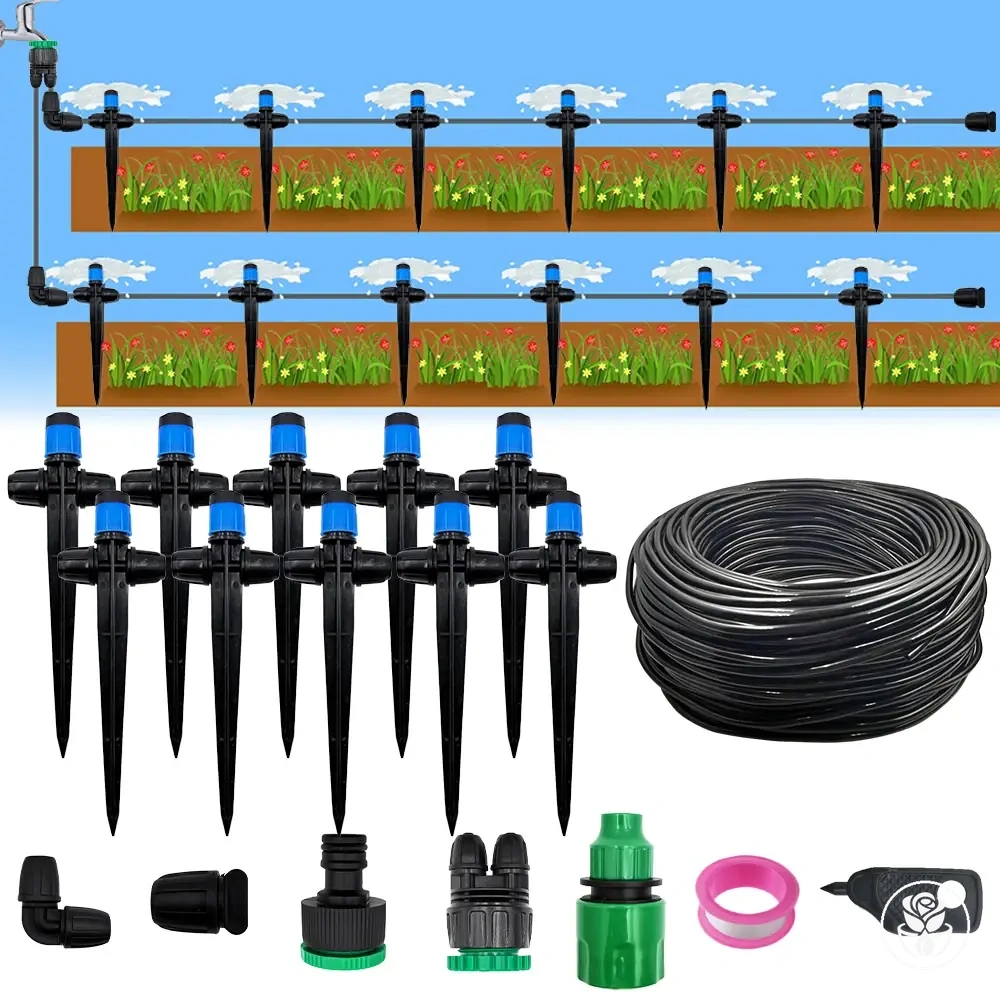
Here are product examples that may make comparison easier. Before buying, always review the compatibility criteria, essential features, and product details.
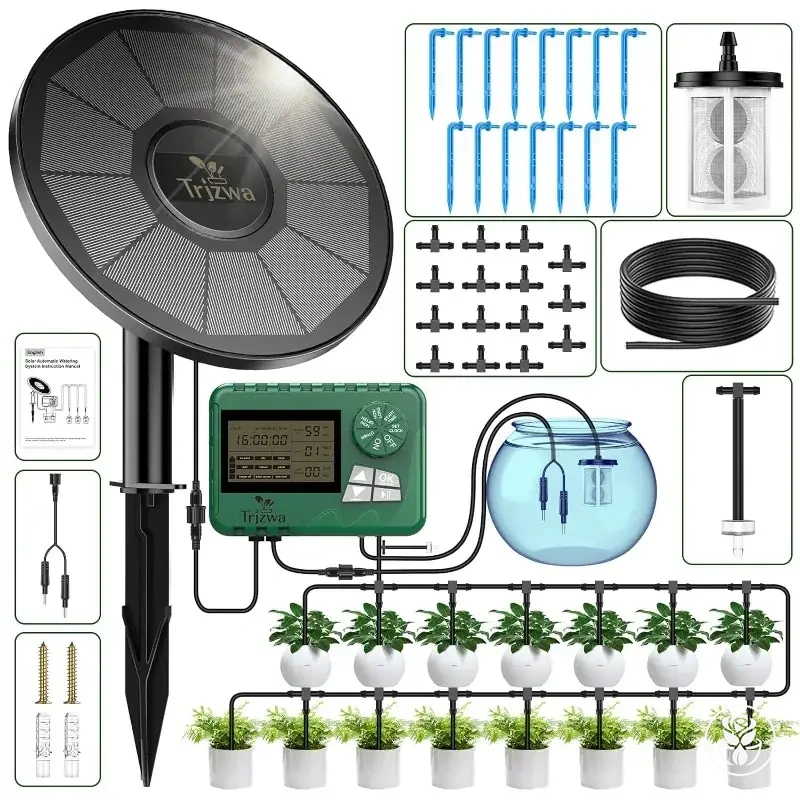
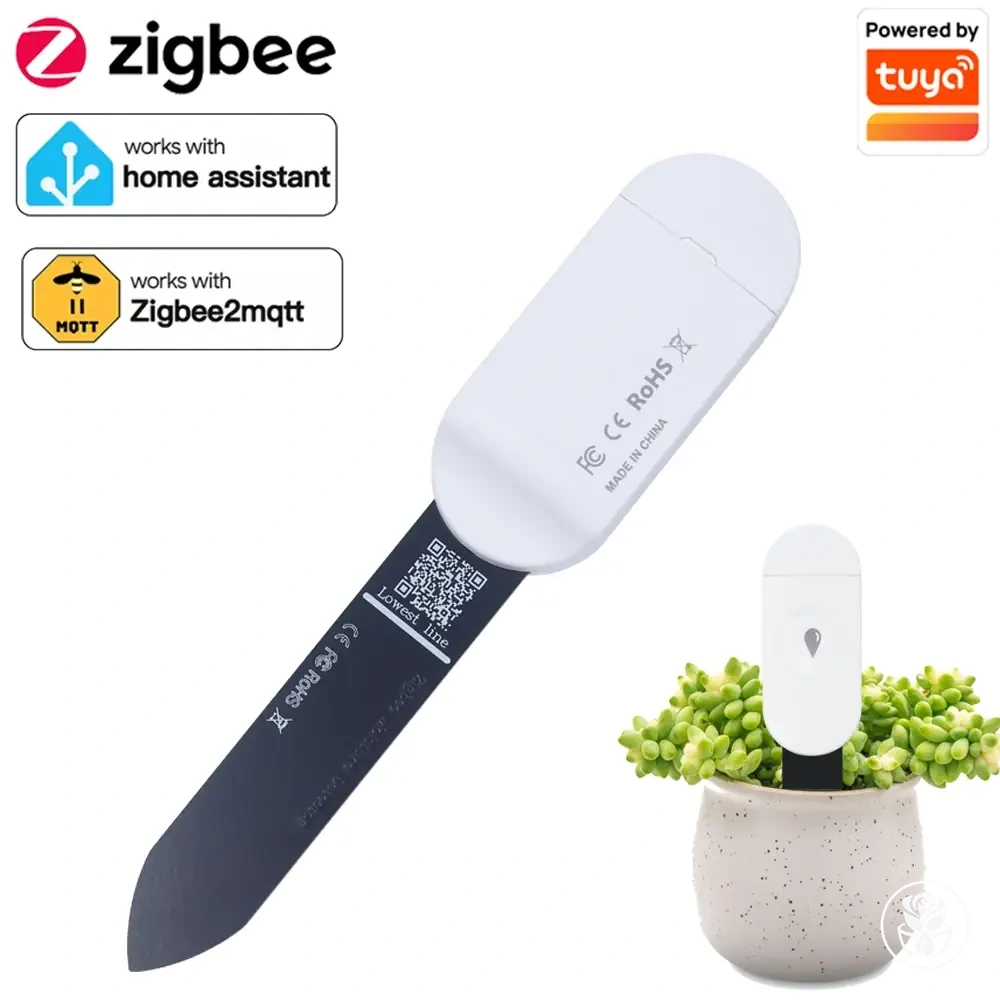
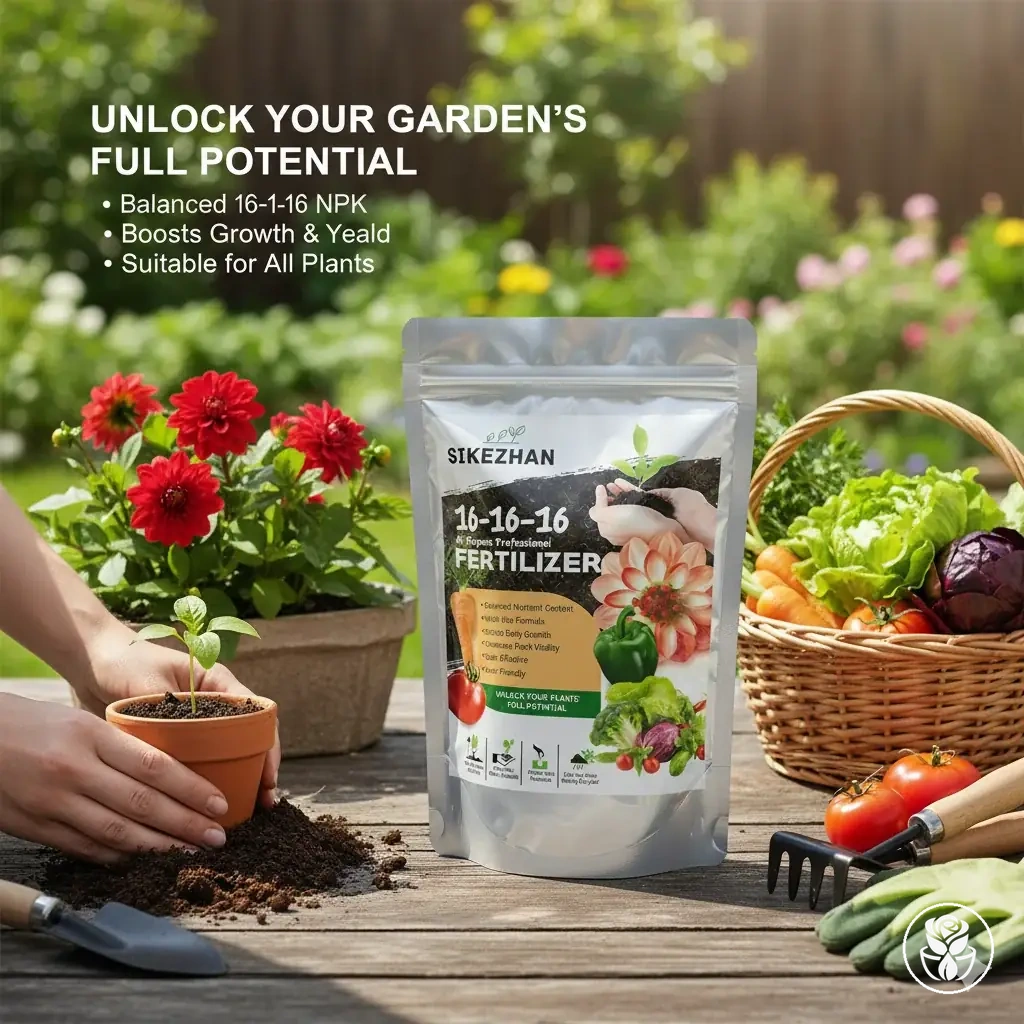
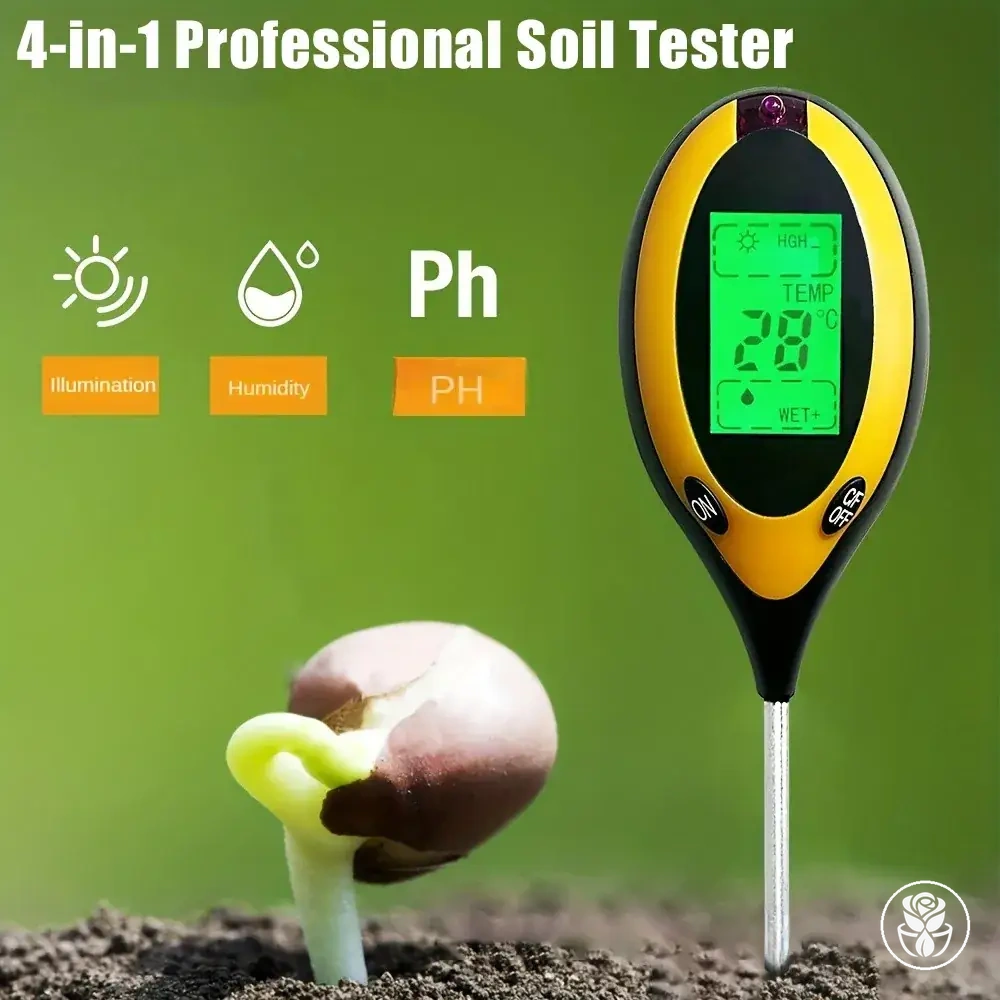
Beginner-Friendly Buying Priorities
Beginner-friendly buying priorities should reduce setup mistakes and care uncertainty before adding extra items. A simple buying path should favor drainage verification, clear watering feedback, simple fertilizer instructions, protective gloves, and handling tools over unnecessary accessories.
Mistake reduction matters because beginner-friendly choices are usually easier to evaluate and use. Simplicity can help when each item has a clear purpose and does not add avoidable decision pressure.
Use the numbered checklist below to separate practical starter supplies from unnecessary accessories.
- Drainage verification: Prioritize a pot and soil setup where drainage can be checked easily because it may help identify root-risk concerns; avoid containers or bundles that make water movement difficult to assess.
- Watering feedback: Prioritize a watering method or moisture meter that supports observation and habit-building; avoid tools that encourage guessing or constant reliance on a single reading.
- Fertilizer instructions: Prioritize products with clear fertilizer instructions and dosage clarity because they may reduce beginner error risk; avoid unclear feeding directions.
- Protective gloves: Prioritize protective gloves that support comfort and thorn handling; avoid options that reduce grip or make routine handling more difficult.
- Handling tools: Prioritize basic handling tools that assist with soil and container tasks; avoid accessory items that duplicate the same function.
- Simplicity first: Prioritize supplies with a clear purpose because simplicity may reduce care uncertainty; avoid unnecessary accessories that add complexity without a clear benefit.
These buying priorities focus on purchase decisions rather than ongoing care routines. For first-month care actions and follow-up tasks, refer to the beginner care checklist.
This chart organizes essential buying priorities for beginners into three categories to help select practical supplies and avoid unnecessary complexity.

Cost and Value Checks for Container Rose Care Supplies
Cost and value checks for container rose care supplies depend on usefulness, compatibility, and avoided mistakes rather than low price alone. Price awareness is most helpful when it supports supplies that fit the container rose setup and reduce the likelihood of repeated buying.
Replacement frequency can affect buying value because supplies used regularly may need replacement sooner than long-term components. A higher-cost item may be reasonable when durability, compatibility, or long-term use supports the added cost.
Avoided mistakes also influence value. Supplies that support drainage, watering feedback, or clear feeding decisions may provide more usefulness than a lower-cost option that creates care uncertainty or increases the risk of underbuying or overbuying.
The table below compares cost-value considerations across common supply groups.
| Supply group | Value attribute | When higher cost may be justified | Risk of underbuying or overbuying |
|---|---|---|---|
| Pot | Compatibility and long-term use | When size, drainage, or durability better matches the intended setup | Underbuying may limit suitability; overbuying may add unused capacity |
| Soil or drainage | Usefulness for moisture management | When materials better support drainage verification and root conditions | Underbuying may increase care uncertainty; overbuying may create unnecessary surplus |
| Watering tools | Watering feedback and control | When observation and handling become easier | Underbuying may reduce control; overbuying may add features that go unused |
| Fertilizer | Clear instructions and compatibility | When dosage clarity supports easier decision-making | Underbuying may reduce feeding options; overbuying may increase complexity |
| Care tools | Replacement frequency and practicality | When repeated use supports additional durability or comfort | Underbuying may reduce usefulness; overbuying may add unnecessary accessories |
A basic item can be enough when it satisfies the intended function without creating compatibility concerns. Spending more may be reasonable when a supply is used frequently, supports long-term use, or helps reduce avoided mistakes during routine care.
A useful cost-value test balances usefulness, compatibility, replacement frequency, avoided mistakes, and price awareness together. Value usually depends on whether the supply supports the intended container rose setup without creating unnecessary underbuying or overbuying decisions.
Here are product examples that may make comparison easier. Before buying, always review the compatibility criteria, essential features, and product details.
Buying Mistakes That Create Container Rose Care Problems
Buying mistakes often create container rose care problems when poor fit, weak drainage, unclear feeding, or unnecessary accessories become part of the initial setup. A safer buying decision usually starts with identifying the missing attribute that may create avoidable care difficulty later.
The most common missing attributes are suitable root space, drainage support, dosage clarity, and practical usefulness. Poor fit may increase risk when pot size does not align with root space needs, weak drainage may contribute to moisture-related root stress, unclear feeding may increase plant stress risk through uncertain fertilizer use, and unnecessary accessories may add clutter, cost, or low value without improving care decisions.
The warning checklist below focuses on prevention rather than troubleshooting. If active symptoms appear later, symptom-level problem solving belongs in dedicated troubleshooting content rather than this buying-focused section.
- Poor fit: Missing attribute is suitable pot size and root space; likely care risk is reduced suitability as the container rose develops; safer buying decision is to evaluate container fit before purchase.
- Weak drainage: Missing attribute is reliable drainage support and balanced water retention; likely care risk is moisture-related root stress; safer buying decision is to verify drainage-related features before selecting supplies.
- Unclear feeding: Missing attribute is fertilizer dosage clarity and container-use guidance; likely care risk is plant stress from inconsistent feeding decisions; safer buying decision is to choose products with clear instructions.
- Unnecessary accessories: Missing attribute is practical care value; likely care risk is clutter, added cost, and low usefulness; safer buying decision is to select accessories with a clear care purpose.
- Low-compatibility bundle: Missing attribute is compatibility between included supplies; likely care risk is repeated buying or unused components; safer buying decision is to compare included items against the intended container rose setup.
This chart shows the three most common buying mistakes that create container rose care problems, highlighting the missing attribute and the safer buying decision for each.

Final Checklist Before Choosing a Container Rose Care System
The final checklist supports purchase-readiness by verifying essentials, compatibility, value, and buyer confidence before comparing external offers. Use it as a pass-fail check to confirm that the container rose care system meets the key criteria already reviewed.
This final check verifies earlier criteria without redefining them. A pass across the checklist suggests stronger buying readiness, while any failed item may need further review before external offer and price checking.
- Pass: Essentials are included and clearly identified.
- Pass: Container fit and compatibility appear suitable for the intended rose type.
- Pass: Material readiness supports drainage and soil requirements.
- Pass: Watering control can be monitored and managed.
- Pass: Feeding clarity is supported by understandable instructions.
- Pass: Tool usefulness matches expected care tasks.
- Pass: Accessory justification is clear and not based on item count alone.
- Pass: Value checks support usefulness rather than price alone.
- Pass: Buyer confidence remains supported after compatibility concerns are reviewed.
- Pass: The system is ready for neutral external offer comparison without direct-cart assumptions.
This chart shows the main pass-fail checks to verify before comparing external offers for a container rose care system.
