

How to Fertilize Container Roses
Container roses need fertilizer as part of a controlled feeding routine because a pot holds limited soil volume around the roots. Potted roses depend on potting mix, watering, fertilizer form, timing, dose, and growth stage working together. Nutrient depletion can happen faster in rose pots because repeated watering can move nutrients through the mix. The page problem is controlled feeding.
Fertilizer can support new shoots, buds, and a bloom cycle only when watering and potting conditions allow nutrient uptake. Too much feeding, the wrong dose, or feeding during plant stress may increase root stress instead of improving plant response. A safer method starts with the plant condition, then matches the fertilizer and dose to the pot. For the wider setup context, use the Container Rose Care System hub.
When a potted rose is actively growing, feeding may help maintain nutrient supply, but the response depends on moisture, drainage, root condition, and timing. When the plant is dry, recently stressed, or outside an active growth stage, fertilizer tolerance can change. This introduction sets the macro feeding logic before moving into the pot-specific needs that shape fertilizer choice, schedule, and application.
Container rose feeding needs in pots
Container rose feeding needs in pots are shaped by limited soil volume, frequent watering, and faster nutrient depletion. A container rose grows within a confined potting mix where roots depend on a smaller nutrient supply than plants growing in open ground. When watering frequency increases, nutrient loss can also increase because water moves through the container more often. As a result, pot conditions change feeding tolerance.
Container rose feeding needs are influenced by both nutrient availability and root access to those nutrients. Nutrients may be lost through watering, while other nutrients can remain unavailable when potting mix condition, drainage, or root function limits uptake. A potted rose in active growth may show a different visible response than a similar plant growing under less favorable pot conditions. Fertilizer cannot compensate for poor potting conditions because roots still need a workable environment for nutrient uptake. For that reason, feeding should be considered alongside soil quality and drainage.
Container rose feeding needs in pots become easier to understand when pot limitations and water movement are viewed together. The image below clarifies how limited soil volume, water movement, and nutrient uptake influence feeding conditions in a rose pot.

Container rose feeding needs in pots can be assessed through a small set of connected conditions. This checklist organizes the pot factors that influence nutrient uptake and visible response.
- Limited soil volume affects how much nutrient supply a container can retain.
- Watering frequency can influence nutrient loss from the potting mix.
- Potting mix condition may affect how easily roots access available nutrients.
- Drainage influences moisture balance and root activity.
- Active growth, including new leaves and buds, can increase feeding demand.
- Visible response depends on nutrient availability, moisture, roots, and overall plant condition.
Container rose feeding needs should be evaluated through pot condition, moisture, root access, and visible response before selecting a fertilizer type. The next section focuses on choosing a fertilizer approach that fits those conditions.
Choosing fertilizer for container roses
Choosing fertilizer for container roses depends on matching release speed, nutrient balance, application effort, and container risk to the plant's condition. A slow-release fertilizer may suit steady feeding because nutrients are released over time, while a liquid fertilizer can offer more direct dose control when active growth or blooming increases feeding demand. Organic rose food may provide nutrient supply through a different release pattern that depends on pot conditions. Release speed and nutrient balance are the main decision frame.
When a container rose needs steady maintenance feeding, a slow-release fertilizer may reduce the need for frequent adjustments. When active growth or blooming increases nutrient demand, a liquid fertilizer may allow more flexible dose control because dilution can be adjusted more easily. NPK balance, micronutrients, and fertilizer form should be evaluated together because plant stage and container conditions can influence nutrient response. The table below compares common options by release behavior, use case, and container-related caution.
Choosing fertilizer for container roses involves comparing how nutrients are delivered and controlled in a confined pot. The image below compares fertilizer form, release speed, and dose control before reviewing the table.

| Option | Release behavior | Best use case | Main caution |
|---|---|---|---|
| Slow-release fertilizer | Gradual release from granules | Steady maintenance feeding | Less flexible adjustment after application |
| Liquid fertilizer | Faster availability after dilution | Active growth or blooming | Dose and feeding frequency require attention |
| Organic rose food | Condition-dependent nutrient release | Longer-term nutrient support | Response may vary with pot conditions |
| Micronutrient support | Supports trace nutrient availability | When nutrient balance appears incomplete | Does not replace a complete feeding plan |
Selection becomes easier when fertilizer form matches plant stage, nutrient balance goals, and the desired level of control. Keeping the choice tied to release behavior and container conditions can help maintain safe dose control.
Slow-release fertilizer for steady pot feeding
Slow-release fertilizer provides gradual nutrient release through granules over a defined release period. For a container rose, this can support steady feeding when the release period, pot conditions, and dose control approach align with the plant's needs. The local distinction is that nutrients become available progressively rather than being supplied in a single application.
Slow-release fertilizer for steady pot feeding works differently as pot conditions change. Granules interact with pot watering, moisture movement, and root uptake, so nutrient availability may vary across the release period. The practical fit conditions below clarify when this approach may be more predictable:
- The release period matches the intended feeding duration.
- Pot watering remains reasonably consistent.
- Dose control reflects container size and plant condition.
- Drainage supports normal root activity.
Accumulation risk may increase when heat influences nutrient release, heavy pot watering changes nutrient movement, or poor drainage limits normal uptake. For that reason, nutrient response can vary by pot conditions, and slow-release fertilizer should be monitored rather than assumed to behave the same in every rose pot.
This chart shows how slow-release fertilizer works for pot feeding, the conditions that make it predictable, and the risks that require monitoring.

Liquid fertilizer for active growth and blooming
Liquid fertilizer is useful when a container rose is in active growth, developing buds, blooming, or recovering from visible nutrient stress. Because liquid fertilizer is applied through dilution, nutrients can become available more quickly when the potting mix is moist and roots can absorb water effectively. Plant response may vary with timing, watering practices, root condition, and overall growing conditions.
Liquid fertilizer for active growth and blooming requires careful attention to dilution and feeding frequency because faster nutrient availability also increases the need for dose control. Routine light feeding differs from corrective feeding after visible nutrient stress, where leaf response and bud response may be observed before further adjustments are made. Liquid feeding supports an existing care routine but does not replace proper watering, potting mix quality, or seasonal timing.
Liquid fertilizer for active growth and blooming is easier to manage when a few practical checks are reviewed before application. The checklist below highlights the main factors that influence nutrient uptake and response.
- Follow the dilution directions provided for the selected liquid fertilizer.
- Apply diluted feed to a moist potting mix rather than a dry container.
- Adjust feeding frequency according to plant condition and growing conditions.
- Monitor leaf response and bud response before increasing applications.
- Reduce overuse risk by matching dose and timing to plant needs.
Applying liquid fertilizer too frequently or to a dry potting mix may increase root stress because nutrient uptake can become less balanced. A practical safe-use cue is to apply diluted feed to a moist potting mix and assess plant response before making further changes.
This chart shows the key conditions, application guidelines, and safe-use warnings for feeding container roses with liquid fertilizer during active growth and blooming.

Organic rose food and natural amendments
Organic rose food and natural amendments provide nutrients through organic sources that depend on moisture, microbial activity, and pot conditions for nutrient release. Organic rose food functions primarily as an organic fertilizer, while natural amendments such as a compost-based amendment may also influence water retention and root environment within the container. The local distinction is that nutrient availability often depends on how the container system supports breakdown and uptake.
Organic rose food and natural amendments can respond differently in limited pot volume because moisture levels, drainage, and root activity influence nutrient release and plant response. Nutrient completeness may vary by material, and neither organic fertilizer nor natural plant food should be assumed sufficient for every container rose without considering overall feeding needs. Odor and salt risk can also vary by amendment type, application rate, and moisture conditions. As a boundary cue, bulky amendments may change potting mix behavior by affecting air space and water movement, so they should not replace a suitable container medium.
This chart shows how organic rose food and natural amendments provide nutrients in container roses, their key differences, and important cautions to consider.

Nutrient balance and micronutrients in rose fertilizer
Nutrient balance and micronutrients in rose fertilizer depend on evaluating both NPK and micronutrient availability rather than focusing on a single nutrient ratio. Nitrogen, phosphorus, and potassium are primary nutrient categories, while micronutrients such as iron, magnesium, and other trace elements influence how a container rose responds to growing conditions. The local distinction is that nutrient balance should be assessed alongside plant stage, potting mix condition, and observed symptoms.
Nutrient balance and micronutrients in rose fertilizer are easier to evaluate when nutrient roles, plant response, and potential limitations are considered together. The table below organizes the main criteria used to assess nutrient balance in a container rose.
| Nutrient factor | Role | Evaluation consideration |
|---|---|---|
| Nitrogen | Supports leaf and shoot development | Suitability may vary with plant stage and fertilizer dose |
| Phosphorus | Supports root and reproductive growth | Should be considered within overall nutrient balance |
| Potassium | Supports general plant function | Response depends on broader growing conditions |
| Iron and magnesium | Support micronutrient availability | Availability may change with pH and potting mix condition |
| Trace elements | Contribute to mineral balance | Deficiency signals may have more than one cause |
Deficiency signals may reflect nutrient availability, pH influence, root condition, or other container-related factors rather than a single nutrient shortage. Fertilizer adjustments can help in some situations, but correction depends on the relationship between symptoms, nutrient uptake, and growing conditions. Overdose risk may increase when nutrient supply exceeds plant needs, which is why nutrient balance should be evaluated before increasing fertilizer inputs.
Container rose feeding schedule
Container rose feeding schedule follows active growth rather than calendar dates because nutrient demand changes as a rose moves through new shoots, bloom cycle development, and dormancy transitions. Feeding is usually most relevant when the plant is actively producing growth and responding to fertilizer uptake. Local climate, pot size, rose type, and watering pattern can influence fertilizing timing, so a feeding calendar may vary between growing conditions. The main condition is that feeding timing should track active growth and plant response.
Container rose feeding schedule becomes more practical when growth stage and plant condition are used as timing cues. The table below organizes common timing-condition-action relationships for a container rose.
| Growth stage or condition | Timing cue | Feeding consideration |
|---|---|---|
| Active growth | New shoots and fresh foliage appear | Resume or continue feeding with appropriate dose control |
| Bud formation | Flower buds begin developing | Maintain feeding according to plant response |
| Bloom cycle | Flowering is underway | Adjust fertilizing timing based on growth and watering pattern |
| Heat stress | High temperatures or visible plant stress | Reduce feeding when root uptake may be limited |
| Dormancy transition | Growth slows or pauses | Reduce or stop feeding as nutrient demand declines |
Seasonal feeding should remain flexible because fertilizer response depends on weather, drainage, root condition, and water availability. Dose control remains part of the feeding schedule because timing alone does not determine nutrient uptake. For broader maintenance planning beyond fertilizer timing, see the seasonal care schedule.
Start feeding when new growth returns
Start feeding when new growth returns by using visible active growth as the primary timing signal. New shoots, leaf expansion, and signs of root activity indicate that a container rose may be ready for nutrient uptake when soil moisture and temperature also support normal growth. The local action condition is visible new growth combined with conditions that support fertilizer response.
Start feeding when new growth returns after checking that the potting mix is evenly moist and the plant is not showing signs of stress from dry roots, poor drainage, or recent repotting. Healthy early growth typically includes expanding fresh leaves and steady shoot development, while stressed growth may appear weak or slow despite new shoots and may require diagnosis before feeding. If repotting was recent, fertilizer timing may depend on how quickly root activity resumes in the container. A practical safe-use cue is to begin feeding only when new growth is active and the potting mix supports consistent moisture and nutrient uptake.
Feed through active growth and bloom cycles
Feed through active growth and bloom cycles by maintaining a consistent fertilizer rhythm while the container rose continues producing shoots, buds, and flowers. Active growth generally increases nutrient demand, but fertilizer timing and dose should remain responsive to plant condition, watering frequency, and nutrient uptake through the potting mix. The local action condition is continued healthy growth supported by normal plant response.
Feed through active growth and bloom cycles by using plant development as a practical guide for ongoing feeding. The checklist below clarifies how bud production, flowering, and plant condition can influence feeding decisions.
- Shoot growth and expanding foliage can indicate continued nutrient demand.
- Bud formation and flower development may support maintaining the existing feeding rhythm.
- Repeat bloom behavior can be monitored alongside watering frequency and overall plant response.
- Heat stress, drought stress, or weak response may justify reducing fertilizer strength because roots can have lower uptake capacity.
A practical safe-use cue is to continue feeding only while the container rose shows healthy growth, stable response, and conditions that support normal water and nutrient uptake.
Reduce or stop fertilizer before dormancy
Reduce fertilizer or stop feeding before dormancy when a container rose enters a seasonal slowdown and nutrient uptake begins to decline. Late-season feeding can encourage soft growth in some conditions, which may be less suited to cooler weather and winter preparation. The local action condition is reduced growth combined with signs that dormancy is approaching.
Reduce or stop fertilizer before dormancy by watching for changes in growth and plant response rather than relying on fixed calendar timing. The checklist below clarifies common signals that may support a gradual feeding reduction.
- Cooler weather begins slowing new shoot development.
- Watering reduction becomes necessary because the potting mix remains moist for longer periods.
- Soft stems or soft growth continue despite lower seasonal nutrient demand.
- Winter preparation becomes more relevant, although timing may vary by local climate and protected placement.
Stopping fertilizer is different from abandoning basic moisture monitoring. Roots can still respond to water, drainage, and potting mix conditions during a seasonal slowdown. A practical safe-use cue is to reduce fertilizer as growth slows and stop feeding when dormancy approaches while continuing appropriate moisture checks.
How to apply fertilizer in rose pots
Apply fertilizer in rose pots by measuring the correct dose, placing it safely around the root zone, and following label directions for application and watering-in. The method should protect roots while helping nutrients move through the potting mix in a controlled way. Safe application depends on dose, moisture, and placement.
Applying fertilizer to very dry soil or directly against stems can increase stress and raise burn risk in some conditions. A moist potting mix helps distribute nutrients more evenly and may reduce concentrated contact around roots. Newly planted or stressed roses may require a more cautious approach because root uptake can be less predictable. For that reason, begin with watering before feeding.
How to apply fertilizer in rose pots requires a clear sequence that organizes dose, moisture, placement, and watering-in. The visual below demonstrates safe measuring, placement away from stems, and watering-in while maintaining clean root-zone spacing.

- Measure the fertilizer according to label directions because the dose should match pot size and application method.
- Check that the potting mix is moist because nutrient contact may be less balanced in very dry soil.
- Place the fertilizer around the root zone rather than against stems to reduce concentrated contact.
- Keep fertilizer away from exposed roots because direct contact can increase stress risk.
- Add fertilizer evenly across the placement zone to support more uniform distribution.
- Water in the fertilizer after placement because watering-in helps move nutrients into the potting mix.
Post-application observation helps determine how the container rose responds to the selected dose and timing. Monitor plant response, moisture conditions, and drainage before making further adjustments. If the rose is newly planted, stressed, or growing in very dry soil, the application method may need adjustment before the next feeding.
Measure fertilizer before applying it
Measure fertilizer before applying it because accurate dosing reduces overfeeding risk in the limited soil volume of a container rose. The correct amount depends on the label rate, pot size, fertilizer type, and application method. The local action condition is preparing a measured feed before fertilizer is added to the potting mix.
Measure fertilizer before applying it by using the label rate as the starting point and checking the dose with a measuring spoon rather than estimating an amount. The points below clarify how label rate, granule amount, dilution ratio, and frequency limit guide dose preparation.
- Check the label rate and match it to the pot size before preparing the dose.
- Use a measuring spoon to confirm the granule amount for dry fertilizer.
- Use the stated dilution ratio when preparing a liquid fertilizer solution.
- Follow the recommended frequency limit because repeated applications may affect nutrient response.
A practical example is to measure the granule amount directly for a dry fertilizer, while a liquid fertilizer requires measuring the concentrate and mixing it according to the dilution ratio. If the label rate varies by fertilizer type or pot size, follow the applicable application rate rather than increasing the dose. A practical safe-use cue is to prepare every application as a measured feed and avoid estimating amounts before use.
Apply fertilizer to moist potting mix
Apply fertilizer to moist potting mix because a moist potting mix can reduce root stress and help fertilizer distribute more evenly around a container rose. Fertilizer applied near dry roots can increase stress risk and may lead to less predictable nutrient movement and uptake. The local action condition is applying fertilizer when the potting mix contains enough moisture to support normal nutrient movement.
Apply fertilizer to moist potting mix after confirming that watering before feeding has created balanced moisture rather than excessively dry conditions. The points below clarify how moisture condition affects fertilizer safety, nutrient movement, and burn risk.
- Do: Use a moist potting mix because nutrient movement is often more even when moisture supports normal uptake.
- Do: Check that drainage supports normal water movement through the container.
- Do not: Apply fertilizer near dry roots because burn risk may increase when nutrients concentrate around stressed roots.
- Do not: Add more fertilizer to soil that remains chronically wet because the moisture condition may need diagnosis first.
If fertilizer response appears weak in a chronically wet pot, the underlying moisture condition may need attention before additional feeding. Moisture balance influences nutrient movement, drainage, and root response, while persistent excess moisture can affect how nutrients are distributed. A practical safe-use cue is to apply fertilizer only when the potting mix is moist and drainage is functioning normally.
Place fertilizer away from stems and exposed roots
Place fertilizer away from stems and exposed roots because concentrated fertilizer near the crown area can increase contact-related stress around sensitive plant tissue. Fertilizer placement should keep stems, the crown area, and exposed roots clear while allowing nutrients to move through the surrounding potting mix. The local action condition is placing fertilizer within the root zone without unnecessary root contact.
Place fertilizer away from stems and exposed roots by focusing on safe positions inside the container. The checklist below clarifies where fertilizer should sit to reduce contact-related burn risk.
- Keep fertilizer away from stems and the crown area because these areas are more sensitive to concentrated fertilizer contact.
- Use surface application across the potting mix rather than concentrating fertilizer in one spot.
- Place fertilizer toward the pot rim rather than directly beside the base of the plant when the application method allows it.
- Use gentle incorporation when appropriate, then complete watering-in according to the selected fertilizer method.
- Protect exposed roots because burn risk may increase when fertilizer comes into root contact, especially in shallow-rooted or recently repotted container roses.
Recently repotted roses and roses with exposed roots may require additional caution because sensitive roots can remain close to the surface. Burn risk can vary by fertilizer type, dose, and plant condition, but concentrated fertilizer should not touch stems or exposed roots. A practical safe-use cue is to keep fertilizer distributed through the potting mix while leaving the crown area, stems, and exposed roots clear.
Adjust feeding for young, stressed, or dry container roses
Adjust feeding for young, stressed, or dry container roses by reducing, delaying, or softening fertilizer applications when plant condition limits normal fertilizer tolerance. Stress changes fertilizer tolerance, so a young rose, a recently repotted container rose, or a plant with weak roots may respond better to reduced feeding than to a full feeding schedule. Fertilizer dose, timing, and response should be evaluated alongside water availability, root condition, and overall plant recovery.
When a young rose is establishing roots, delayed feeding or a softened dose may be more appropriate because nutrient uptake can remain limited. When a stressed rose shows heat stress, wilting, or weak roots, normal feeding may need adjustment until plant response becomes more stable. When a dry potting mix limits water availability, feeding may be delayed until moisture conditions support more balanced uptake. These conditions do not automatically require additional fertilizer because stress can affect how a container rose responds to feeding.
When a vulnerable rose shows signs of stress, reduced feeding is often a safer starting point than increasing fertilizer input. A recovery stage may justify gradual feeding adjustments when growth, water uptake, and overall plant response become more stable. This decision-support approach helps connect feeding changes to plant condition rather than assuming fertilizer alone can resolve stress.
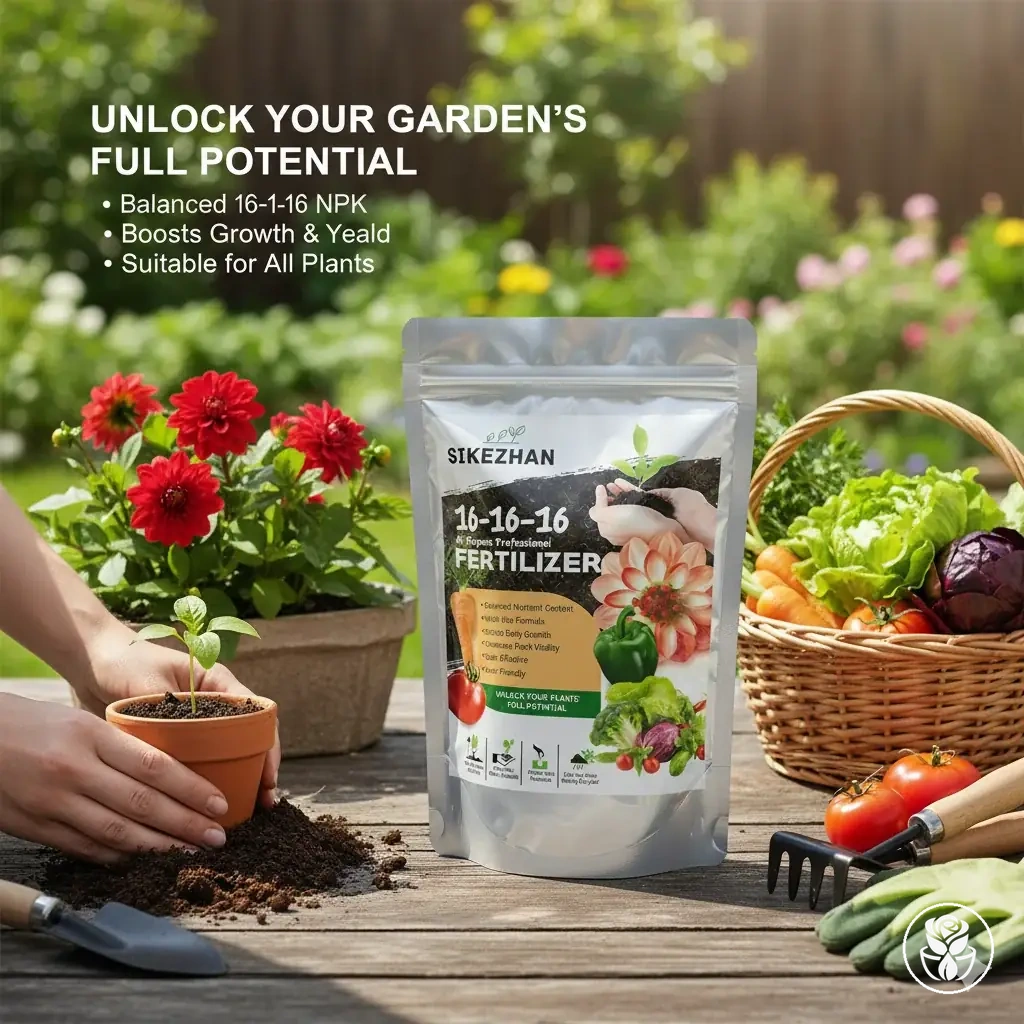
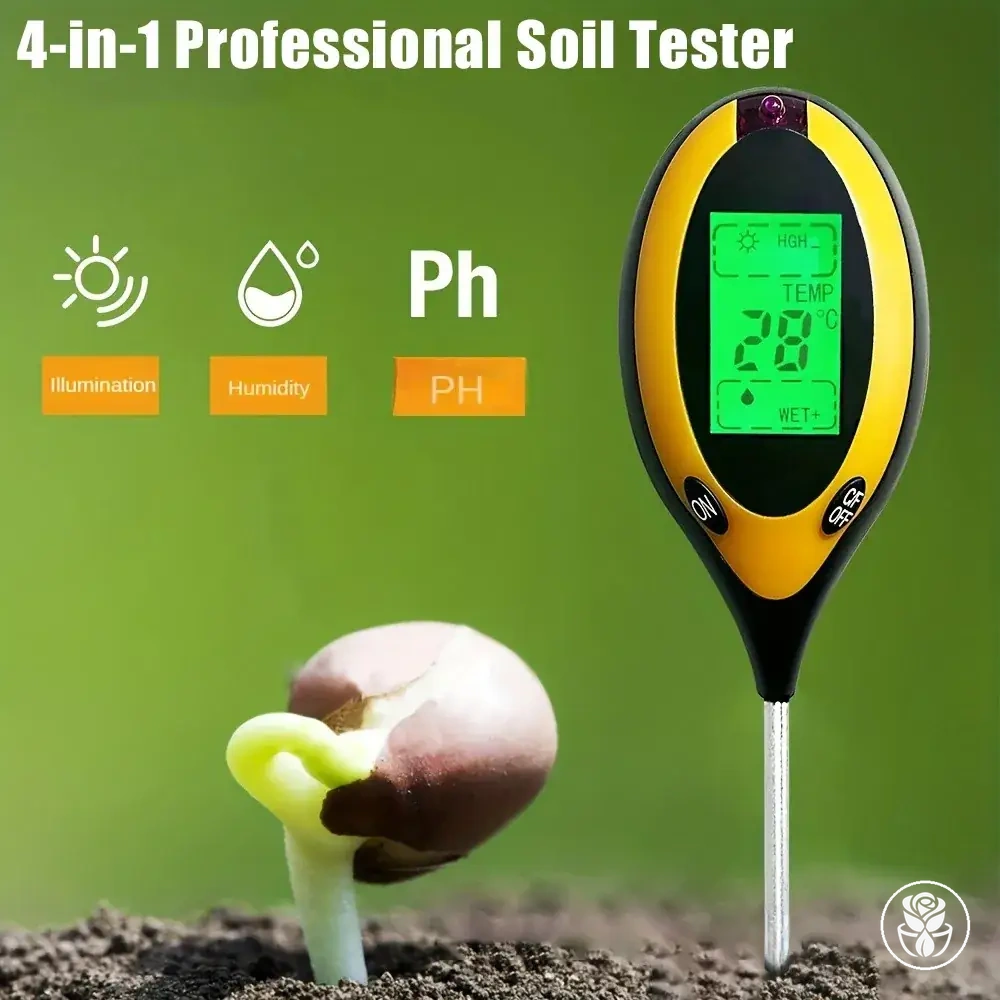
Here are product examples that may make comparison easier. Before buying, always review the compatibility criteria, essential features, and product details.


This chart shows how plant condition determines when to reduce, delay, or soften fertilizer applications for container roses.

Container rose fertilizer mistakes and overfeeding signs
Container rose fertilizer mistakes and overfeeding signs can appear as leaf edge burn, salt buildup, weak growth, or increased stress after feeding. These symptoms may indicate a feeding error, but they do not confirm a final diagnosis on their own because watering, potting mix condition, and root health can influence plant response. An over-fertilized rose may show multiple symptoms at the same time, especially when fertilizer dose, timing, or uptake conditions are unfavorable. The main condition is whether symptoms appear or worsen after fertilizer application.
Container rose fertilizer mistakes and overfeeding signs are easier to assess when symptoms are separated from likely causes. The checklist below organizes symptom, cause, and response relationships.
- Leaf edge burn: May be linked to fertilizer burn or excess fertilizer concentration; review recent dose and application timing.
- Salt buildup: May develop when fertilizer accumulates in the potting mix; check watering patterns and drainage conditions.
- Weak growth: May occur when nutrient balance, root condition, or feeding practices limit normal plant response.
- Yellow leaves: Can appear with fertilizer mistakes but may also relate to watering, root conditions, or other plant stress factors.
- Weak blooms: May reflect feeding imbalance, poor uptake, watering stress, or broader plant condition.
- Root stress: May increase when fertilizer application, poor drainage, or unfavorable growing conditions affect nutrient uptake.
Fertilizer mistakes and overfeeding signs should be evaluated alongside watering practices, potting mix condition, and overall plant health because symptoms can have more than one cause. Yellowing, weak blooms, or reduced vigor do not automatically indicate fertilizer damage when other stress factors are present. For clarification on yellowing that may have multiple possible causes, see leaf yellowing causes.
This chart shows the most direct overfeeding signs in container roses and the key evaluation factors to consider, helping distinguish fertilizer‑related symptoms from other causes.

Fertilizer burn and salt buildup in pots
When leaf edges develop browning tips or a white crust appears on the potting mix surface, fertilizer burn or salt buildup may be contributing factors. Fertilizer burn and salt buildup in pots can become more noticeable in a container rose because repeated feeding, limited potting mix volume, and drainage limitations may concentrate residue around the roots. These signs are warning signals that support further inspection rather than a final diagnosis.
Fertilizer burn and salt buildup in pots are easier to evaluate when leaf symptoms are separated from pot-level residue. The table below organizes the difference between visible plant symptoms and signs of salt accumulation.
| Observation | Possible meaning | What to check |
|---|---|---|
| Leaf edges or browning tips | May indicate fertilizer burn, leaf scorch, or another stress condition | Review fertilizer dose, timing, and recent plant response |
| White crust on potting mix or container surface | May indicate salt buildup, residue, or salt accumulation | Check feeding frequency, insufficient leaching, and drainage limitations |
| Dry roots with reduced response | May reflect salt accumulation, water stress, or root-related issues | Assess moisture conditions, drainage, and root health |
Similar symptoms can also result from drought, heat, or root damage, which is why fertilizer burn should be treated as a possible cause rather than a certain one. Containers can concentrate salts when repeated feeding combines with insufficient leaching or restricted drainage that limits salt removal from the potting mix. The most useful diagnostic cue is whether residue, feeding history, and plant symptoms appear together rather than relying on a single symptom.
Flushing an over-fertilized rose pot
When overfeeding signs or fertilizer residue are suspected, flushing can help reduce excess soluble fertilizer from a container rose pot if drainage holes are open and the pot is not already waterlogged. Flushing is a corrective action rather than routine feeding because it aims to remove accumulated salts that may affect nutrient uptake and plant response. Flushing requires drainage to allow dissolved residue to leave the potting mix.
Flushing an over-fertilized rose pot depends on conditions that support safe leaching and water movement. The steps below organize the corrective action and the limits that influence whether flushing may help.
- Check that drainage holes are open and allow water to exit the container.
- Apply water gradually so slow water flow can move through the potting mix and support leaching.
- Allow excess soluble fertilizer to leave the container through normal drainage.
- Repeat leaching when residue or recent feeding history suggests continued salt accumulation.
- Stop feeding during the correction period to avoid adding more fertilizer before plant response is assessed.
- Use an observation period to monitor growth, moisture conditions, and overall response after flushing.
If the pot is waterlogged or drainage is restricted, flushing may add stress because excess water may not leave the container efficiently. Severe decline after corrective watering may indicate that broader diagnosis is needed beyond fertilizer correction alone.
Weak growth that is not solved by more fertilizer
When weak growth continues after feeding, the limiting factor may be water, light, roots, soil condition, or plant stress rather than nutrient availability. Weak growth can persist even when fertilizer is present, so increasing fertilizer when plant response is unclear may not address the underlying constraint. The corrective action is to identify the most likely limiting factor before changing fertilizer dose or timing.
Weak growth that is not solved by more fertilizer is easier to evaluate when potential constraints are checked individually. The checklist below organizes common condition-effect-decision relationships for a container rose.
- Light exposure: If light exposure is limited, slow growth may continue despite available nutrients.
- Watering pattern: If the watering pattern is inconsistent, water uptake and fertilizer response may be reduced.
- Pot size and root condition: If roots are restricted, crowded, or stressed, growth may remain weak even after feeding.
- Soil quality: If soil quality or potting mix condition limits drainage or root function, plant response may remain poor.
- Pests: If pests are present, growth may slow because plant resources are redirected.
- Temperature: If temperature conditions are unfavorable, growth may be limited regardless of fertilizer timing.
- Nutrient availability: Nutrient availability can be a factor, but it should be assessed alongside other constraints rather than assumed to be the primary cause.
If weak growth remains unresolved, trace the issue through the broader container rose care system before making further feeding adjustments. This approach helps determine whether light exposure, watering pattern, root condition, soil quality, pests, temperature, or nutrient availability is the more likely limiting factor.